
Safe Texas Universities: Your Student's Security On and Off Campus
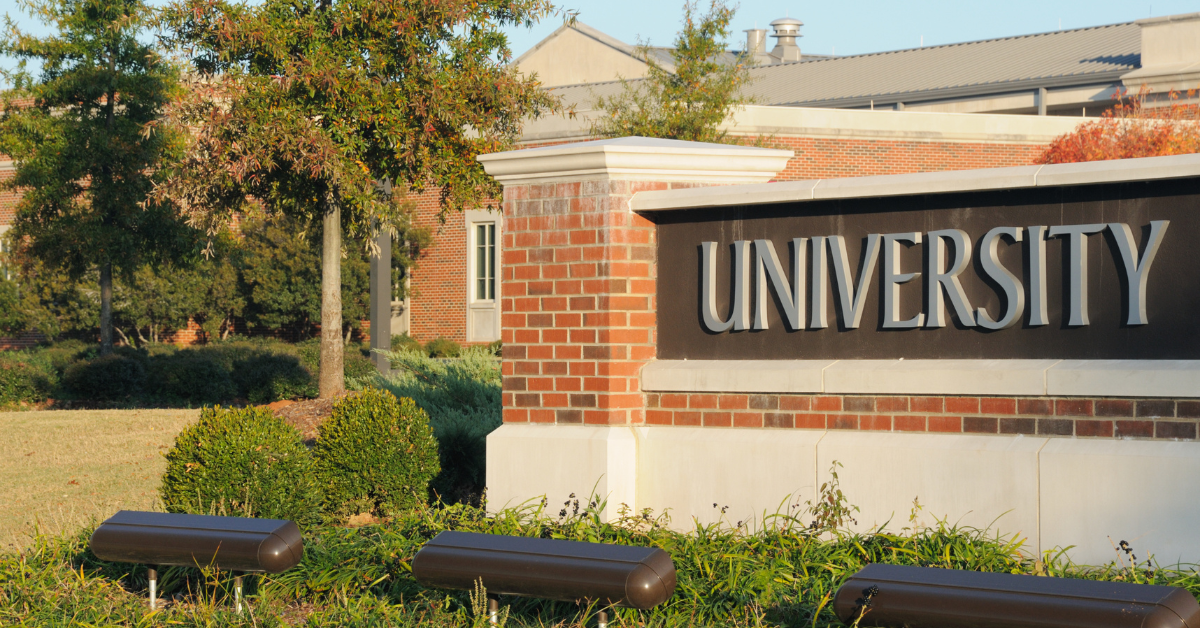
Sending your child to a Texas university is an exciting milestone, but safety is always top of mind. From bustling cities to sprawling campuses, let's explore how to choose a safety-conscious university, promote smart off-campus living, and harness the power of security tech for your student's well-being in the Lone Star State.
1. Understanding Campus Safety: Key Factors to Consider

Campus Police and Security: Investigate the size and scope of the campus security force. Check if they offer services like safety escorts, late-night shuttles, and 24/7 patrolling, and look into response times for incidents.
Emergency Systems: Ensure the presence of blue-light emergency phones, alert systems, and robust emergency procedures. Universities with quick alert systems can inform students about incidents in real time.
Crime Statistics and Safety Records: Check crime rates through resources like the Clery Act, which requires colleges to disclose crime reports. Reviewing recent safety records helps paint a clearer picture of campus security.
Neighborhood Safety: Campus safety doesn’t stop at the university border. Research crime rates in surrounding neighborhoods, especially if your student may live off-campus.
Reputation and Student Experiences: Explore forums, news reports, and parent testimonials for first-hand accounts of campus safety and recent incidents.
Sexual Assault Prevention: Look into Title IX compliance and programs aimed at preventing sexual assault and supporting survivors, as these reflect the campus’s commitment to fostering a safe environment for all students.
2. Texas’s Safest Universities: A Breakdown
Texas is home to many safety-conscious universities that go the extra mile to keep students secure. Here’s a look at some top options:
What Defines a “Safety School”?
In Texas, a “safety school” often goes beyond academic safety. It typically refers to universities that:
Are located in lower-crime areas or smaller cities
Have strong campus security initiatives
Proactively address safety education and resources
Universities with High Safety Standards

Known for a large, responsive campus police department, extensive safety education programs, and strong off-campus safety resources.

Features a well-patrolled, well-lit campus with shuttle services and top-notch safety measures despite being located in a major urban area.

Offers proactive safety communication, robust emergency services, and has a strong on-campus police presence.
Universities in Lower-Crime Areas
Choosing schools in safer locations can contribute to overall peace of mind for both students and parents. Examples include:

Known for strong community safety and accessible on-campus security resources.

Acknowledged for safety initiatives and proximity to safer neighborhoods, though students are advised to use urban safety practices.
Smaller, Community-Oriented Campuses
Smaller campuses often foster a close-knit, community-focused environment, which can contribute to a safer campus culture:

A smaller campus in a low-crime area, ideal for students looking for a safe, community-focused environment.

Known for a tight community where safety and security programs are a priority.
Texas Universities with Safety Challenges
While many Texas schools are proactive about security, some have faced challenges. Researching specific schools and current crime statistics can provide a better picture. Currently, some universities that may face more safety concerns include urban campuses where crime rates are naturally higher. Remember to verify the latest data, as universities continually work to improve campus safety.
3. Off-Campus Safety Tips for Smart Living
Choose Safe Neighborhoods: Off-campus living is common, so prioritize safer, well-lit neighborhoods with reliable transportation. Roommate considerations can also impact safety.
Transportation Awareness: Encourage late-night rideshare options instead of walking alone, and use university shuttles if available.
Street Smarts: Remind your student to avoid distractions like headphones, stay alert, and trust their instincts if a situation feels unsafe.
Security Technology: Invest in a versatile camera like the Kangaroo Indoor+Outdoor Camera, which can offer students extra protection:
Indoor/outdoor use for dorms or apartments
Easy to set up for rentals
Motion alerts and two-way talk features
Affordable plans with optional theft protection for added security
4. Staying Connected for Peace of Mind
Open Communication: Regular check-ins can help parents stay updated on their student’s experiences. Encourage students to report suspicious activities and reach out if they feel unsafe.
Safety Apps: Consider location-sharing or personal safety apps for instant updates.
Role-Play Safety Scenarios: Discuss situations they might encounter, like attending parties or visiting unfamiliar places, and strategies to stay safe or seek help.
5. Addressing Unique Texas Safety Concerns
Urban Campus Considerations: In larger Texas cities, urban campuses come with unique security needs. Students should practice heightened awareness, utilize shuttles or rideshares, and understand campus-specific safety protocols.
Active Shooter Preparedness: Unfortunately, preparedness for active shooter situations is a reality. Research whether the university conducts regular drills and has response plans.
Border Region Campuses: Some Texas schools are located near the U.S.-Mexico border and may have unique safety requirements. Discuss any potential regional concerns openly with your student.
Additional Safety Resources
Texas Department of Public Safety (https://www.dps.texas.gov) for campus safety resources
University websites, where they often publish crime statistics and safety programs
6. Building a Campus Safety Community
Campus safety isn’t just the responsibility of university staff—it’s a shared effort among students, faculty, and campus security. As students transition into college life, they play a role in fostering a culture of safety, responsibility, and awareness.
By selecting a safety-minded Texas university, practicing smart personal safety habits, and staying informed, your student can enjoy a secure and fulfilling college experience in Texas.
Off-Campus Safety Smarts: Smart Choices for Student Living

Choosing Housing: Location matters! Prioritize well-lit neighborhoods with lower crime rates if possible. Consider roommate situations carefully.
Transportation Awareness: Encourage late-night ride shares instead of walking alone, use university shuttle services if available, and familiarize your student with safe routes.
Street Smarts: Remind your student of basics: stay alert, avoid distractions (headphones), and trust gut instincts about unsafe situations.
Tech Security: Eyes on their Space. A versatile camera like the Kangaroo Indoor+Outdoor Camera offers students extra protection and you peace of mind. Here's why it's ideal:
Indoor/Outdoor Use: Covers dorm rooms, shared apartment spaces, or even monitoring activity just outside their door.
Easy to Set Up: Perfect for renters who can't do complex installations.
Motion Alerts: Sends your student (and you) notifications about unexpected activity.
Two-Way Talk: Lets them address a potential issue or ward off unwanted visitors.
Affordable Peace of Mind: Explore Kangaroo's plans and the theft protection option for added security (https://heykangaroo.com/).
Related Content:
Navigating Texas Cities Safely: A Guide for Visitors
Lone Star Living: Safety Tips for Texans Flying Solo
Campus Safety and Security Is Everyone's Responsibility
Students, faculty, and security personnel all play a role. Prospective students should inquire about safety measures, security officer training, and how the institution is fostering a safety-conscious high ed environment.
By choosing a safety-minded Texas university, practicing personal safety habits, using smart technology, and staying informed, your student can have a secure and fulfilling college experience in the Lone Star State.
FAQs: Safe Texas Universities:
Your Student's Security On and Off Campus
General Campus Safety
-
Key safety measures include a visible presence of campus police, well-maintained security systems, functioning emergency phones (including blue light phones), and comprehensive emergency procedures. The college should also have a strong access control system to regulate entry to buildings, especially residence halls (dorms), and security officers who actively patrol the campus.
-
The Clery Act requires colleges and universities to publish annual crime reports that include statistics on crime occurring on and around their campuses. These reports provide valuable crime statistics and information about the safety and security measures in place.
-
Title IX is a federal law that prohibits discrimination on the basis of sex in any education program or activity receiving federal financial assistance. This includes sexual assault and sexual violence. Colleges and universities are required to have policies and procedures in place to address and prevent these types of violence, and to provide support to survivors.
-
Report suspicious activity immediately to campus police. Don't hesitate to call 911 in case of an emergency. Your actions could help prevent crime and keep the campus safe.
-
Be aware of your surroundings, avoid walking alone at night, lock your dorm room door, and familiarize yourself with the campus map and emergency procedures. Trust your instincts and if something feels wrong, remove yourself from the situation and seek help if needed.
-
Choose well-lit, safe neighborhoods, be cautious about who you share housing with, use reliable transportation, and be aware of your surroundings when walking or biking. Consider using video surveillance or a home security system for added protection.
Specific Safety Concerns
-
Sadly, active shooter situations are a reality. Familiarize yourself with your college's active shooter protocols and participate in any drills or training offered. Remember "Run, Hide, Fight" as a basic response strategy.
-
Prospective students should inquire about safety measures during campus visits. All students should attend safety orientations, learn how to use security systems, and participate in programs that promote personal safety and bystander intervention.
-
Faculty members are valuable partners in campus safety. They can foster a culture of safety in their classrooms, report concerns, and support students who experience violence or harassment.
-
Colleges and universities offer resources and support services for students experiencing domestic violence. These may include confidential counseling, advocacy, and assistance with safety planning and legal options.
-
Most high ed institutions have dedicated safety and security webpages with detailed information about their safety measures, crime reports, and resources for students. You can also contact the campus police or security department directly.
Remember, safety is a shared responsibility in high education. By working together and staying informed, we can create a safer and more secure environment for all.