
Surviving the Cost of RV Insurance: a Beginner's Guide

The open road is calling, and your RV is your ticket to adventure. But before your next journey, it's crucial to understand RV insurance—the key to protecting both your wallet and your home on wheels. Whether you're a seasoned full-time RVer or a weekend warrior, navigating RV insurance can feel overwhelming with so many factors like coverage options, insurance rates, and discounts.
This beginner-friendly guide will simplify the process, help you find the best RV insurance for your needs, and uncover ways to save money using tools like Kangaroo Dory—your secret weapon for unlocking hidden discounts.
What is RV insurance?
RV insurance is a specialized type of insurance designed to cover recreational vehicles (RVs). This includes motorhomes, travel trailers, campers, fifth wheels, and pop up campers. It offers various types of coverage to protect against damage, theft, liability, and more.
Understanding RV Insurance Coverage:
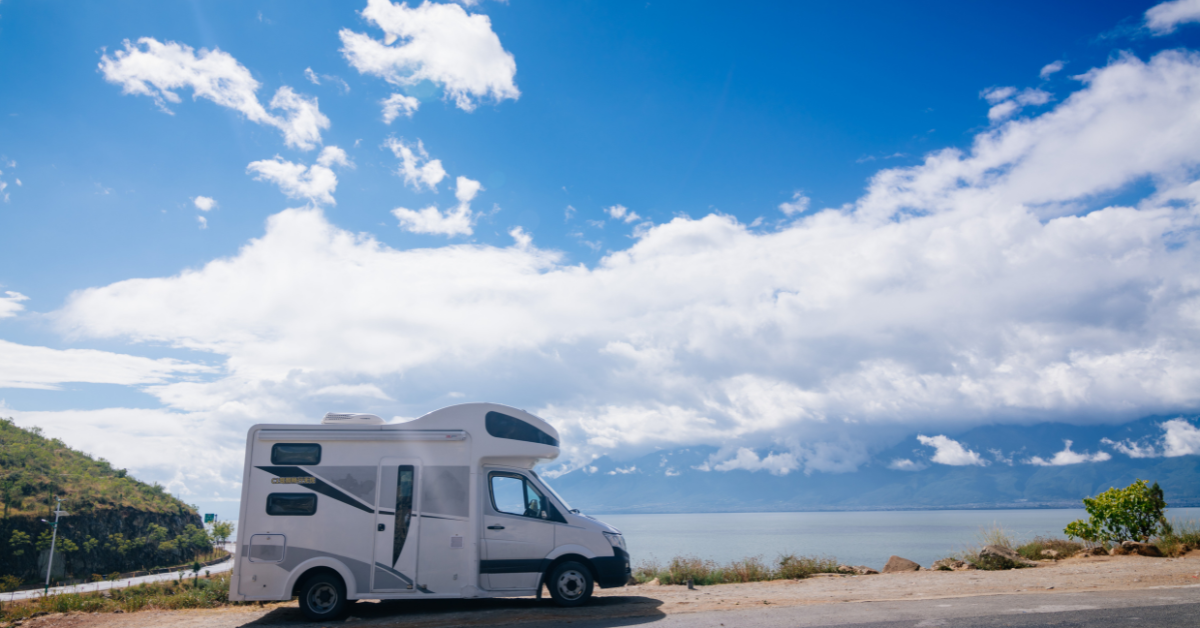
Most RV insurance policies include the following options:
Liability Coverage: Protects you financially if you cause damage or injury to others while driving your RV. This includes property damage liability and bodily injury liability.
Collision Coverage: Covers damage to your RV in an accident, regardless of who is at fault.
Comprehensive Coverage: Protects your RV from non-collision events like theft, vandalism, fire, or natural disasters.
Uninsured/Underinsured Motorist Coverage: Protects you if you're in an accident with a driver who doesn't have insurance or has insufficient coverage.
Medical Payments Coverage: Covers medical expenses for you and your passengers in case of an accident.
Personal Property Coverage: Protects your belongings inside the RV, such as clothes, electronics, and camping gear. This coverage can be based on actual cash value (depreciated value) or replacement cost value (the cost to replace the item with a new one).
Roadside Assistance: Provides towing and roadside services if your RV breaks down.
Additional Coverage Options:
Total Loss Replacement: Replaces your RV with a new one of similar kind and quality if it's totaled within a specific time frame.
Campsite/Vacation Liability: Covers liability for accidents that occur at your campsite.
Emergency Expenses Coverage: Reimburses you for expenses like lodging and transportation if your RV breaks down.
Full-Timer Coverage: Provides additional coverage for those who live in their RV full-time, including contents replacement cost and higher liability limits.
Towing and Roadside Assistance: Covers towing costs and roadside assistance if your RV becomes disabled.
Types of RV Insurance: Protecting Your Home on Wheels

RV insurance isn't one-size-fits-all. The type of coverage you need will depend on the type of RV you own and how you use it. Here's a breakdown of the main types of RV insurance:
Class A RV Insurance: Designed for large, luxurious motorhomes, Class A insurance offers comprehensive coverage for these high-value vehicles.
Class B RV Insurance: Covers camper vans and smaller motorhomes, offering tailored protection for these versatile vehicles.
Class C RV Insurance: For mid-size motorhomes built on a truck or van chassis, Class C insurance provides coverage for both the living quarters and the vehicle itself.
Travel Trailer Insurance: Protects towable RVs like travel trailers, fifth wheels, and pop-up campers.
RV Rental Insurance: Covers liability and damage when renting an RV from a company like Outdoorsy.
Factors That Affect RV Insurance Costs:
RV Type and Value: Larger and more expensive RVs generally cost more to insure due to their higher replacement value.
Driving History: A clean driving record can lead to lower premiums, as insurers see you as a lower-risk driver.
Coverage Limits and Deductibles: Higher coverage limits and lower deductibles typically result in higher premiums. Choose limits that adequately protect your assets, but consider a higher deductible if you want to lower your monthly costs.
Location: Insurance rates can vary depending on where you live and travel. Areas with higher rates of theft, vandalism, or natural disasters may have higher premiums.
Usage: Full-time RVers may pay more than those who use their RV infrequently, as they are on the road more often and therefore at higher risk.
Discounts: Many insurers offer discounts for safety features (like anti-theft devices or backup cameras), bundling policies, belonging to RV clubs, or completing RV safety courses.
Top RV Insurance Companies and What They're Best For:
Progressive: Best for overall value and discounts. Also offers coverage for specialty RVs like camper vans and custom builds.
Good Sam: Best for full-time RVers and those who want a wide range of coverage options, including unique benefits like pet insurance and trip interruption coverage.
National General: Best for budget-minded RVers and those who want to customize their coverage with various add-ons.
Foremost: Best for those who are renting an RV or own older models, offering specialized coverage options for these scenarios.
Geico: Best for those who want to bundle their RV insurance with their auto insurance for potential savings.
Kangaroo Dory: Your Secret Weapon for Savings
Kangaroo Dory is a free tool that helps you uncover hidden discounts on your existing RV insurance policy. It works by analyzing your policy details and identifying potential savings you might be missing. Dory then helps you apply for these discounts directly with your insurer, saving you time and effort.

How Dory Helps You Save:
Uncovers hidden discounts: Dory sifts through your policy to find savings you might not be aware of.
Simplifies the process: It helps you apply for discounts directly with your insurer.
Saves you time and effort: No more endless phone calls or searching for discount codes.
Tips for Saving on RV Insurance:
Shop around and compare quotes: Don't settle for the first quote you receive. Get quotes from multiple insurers to find the best rates and coverage options.
Increase your deductible: Opting for a higher deductible can lower your premium.
Ask about discounts: Inquire about discounts for safety features, good driving records, bundling policies, and more. Use Kangaroo Dory to find additional discounts.
Maintain a good credit score: Your credit history can affect your insurance rates.
Limit your mileage: Some insurers offer discounts for low mileage.
Choose the right coverage: Only pay for the coverage you need.
Take a safety course: Some insurers offer discounts for completing an RV safety course.
Explore More:
Mobile Home Living: Your Guide to Freedom, Flexibility, and Security
Smart Homes, Smarter Savings: Big Discounts on Your Homeowners Insurance
How to Choose the Best Homeowners Insurance Company
RV Insurance FAQs:
-
Yes, many insurance companies offer coverage for RV rentals. Companies like Roamly and Outdoorsy provide specialized insurance policies for RV owners who rent out their vehicles.
-
Replacement cost coverage ensures that if your RV is totaled, you will receive enough money to buy a new RV of the same make and model, rather than just the depreciated value of your old RV.
-
Yes, travel trailer insurance is recommended as it provides coverage specifically for travel trailers. It typically includes liability coverage, collision coverage, comprehensive coverage, and more.
-
While both RV insurance and auto insurance provide liability, collision, and comprehensive coverage, RV insurance offers additional protections tailored to the unique needs of RV owners, such as personal property coverage, full-time RV coverage, and specialized roadside assistance.
-
Yes, many insurance companies offer discounts if you bundle your RV insurance with your car insurance, home insurance, or other policies.
-
Accident forgiveness is a feature that prevents your insurance rates from increasing after your first at-fault accident. Not all insurance companies offer this, so it's important to ask when getting an RV insurance quote.
-
Some well-known RV insurance companies include:
Good Sam Insurance
Roamly
Progressive
Geico
Nationwide
-
You can get an RV insurance quote by contacting insurance companies directly, using their online quote tools, or working with an insurance agent who specializes in RV coverage. Be sure to compare quotes from multiple providers to find the best coverage at the best rate.
-
Full-time RVers should look for insurance policies that specifically cater to their lifestyle, offering extended coverage for personal belongings, higher liability limits, and protections for living expenses if the RV is damaged or stolen. Companies like Good Sam Insurance and Roamly offer policies tailored to full-time RVers.
-
Liability insurance in RV coverage protects you against financial loss if you are responsible for bodily injury or property damage to others in an accident. It covers legal fees, medical bills, and repair costs up to the policy's limits.
-
Your driving record significantly impacts your RV insurance cost. A clean driving record can lead to lower premiums, while a history of accidents or traffic violations can increase your rates.
-
Underinsured motorist coverage protects you if you are in an accident with a driver who has insufficient insurance to cover the damages. This coverage helps pay for your medical bills and repair costs.
Ready to Hit the Road?
RV insurance is essential for protecting your investment and enjoying your adventures with peace of mind. By understanding your options, shopping around, and utilizing tools like Kangaroo Dory, you can find affordable coverage that meets your needs.